
Niagara Falls is one of North America's most spectacular natural destinations, attracting visitors with its enormous waterfalls, dramatic gorge, scenic parks, historic sites, boat tours, and year-round attractions. But with so many things to do on both the Canadian and U.S. sides, deciding where to go first can be surprisingly difficult.
If you are planning a trip to Niagara Falls in 2026, the good news is that you do not need to visit dozens of attractions to have an unforgettable experience. A carefully selected itinerary can give you incredible views of the Falls, close-up encounters with the water, opportunities to explore Niagara's history, and plenty of time to enjoy the surrounding city.
The five places below stand out because they offer distinctly different ways to experience Niagara Falls. They also cover the experiences most travelers are looking for: panoramic views, getting close to the Falls, seeing the Falls from behind, enjoying the surrounding parkland, and experiencing Niagara after dark.
Quick Answer: What Are the Top 5 Places to Visit in Niagara Falls?
If you have limited time, prioritize these five:
-
Table Rock Centre & Queen Victoria Park – Best overall views of the Falls
-
Niagara City Cruises – Best way to experience the Falls from the water
-
Journey Behind the Falls – Best behind-the-Falls experience
-
Niagara Falls State Park & Cave of the Winds – Best U.S.-side experience
-
Niagara Parks Power Station & The Tunnel – Best combination of history, engineering and unique Falls views
These attractions are not interchangeable. Each gives you a different perspective, which is why combining several of them makes a Niagara Falls trip much more memorable.
1. Table Rock Centre & Queen Victoria Park
Best for: First-time visitors, panoramic views, photography and free Falls viewing
If you are visiting Niagara Falls for the first time, start at Table Rock Centre and Queen Victoria Park.
This is arguably the most important area to visit on the Canadian side because it puts you directly beside the Horseshoe Falls and provides one of the most impressive free viewpoints in Niagara Falls.
Table Rock Centre sits immediately beside the Canadian Horseshoe Falls. From the surrounding viewing areas, you can see the enormous volume of water plunging over the edge while feeling the spray and hearing the constant roar of the Falls.
According to Niagara Falls Tourism, the Falls can be viewed at Table Rock at any time of day or night without paying an admission fee.
That makes this location particularly useful for budget-conscious travelers.
Why Table Rock is one of the best places to visit in Niagara Falls
The biggest advantage is proximity.
You are not looking at Niagara Falls from several miles away. You are standing immediately beside one of the world's most famous waterfalls.
The Canadian side also provides excellent views of all three major waterfalls:
-
Horseshoe Falls
-
American Falls
-
Bridal Veil Falls
Niagara Falls Tourism specifically highlights the Canadian side for panoramic views of all three waterfalls.
For many travelers, this is the view they have imagined before arriving.
What can you do at Table Rock?
Table Rock is more than simply a viewing platform. It is also an important starting point for several Niagara Falls experiences.
From here, you can access or plan:
-
Journey Behind the Falls
-
Niagara City Cruises
-
Falls Incline Railway
-
Queen Victoria Park
-
Niagara Falls illumination
-
Seasonal fireworks
-
Restaurants and visitor facilities
This makes Table Rock an excellent place to begin your itinerary.
Visit Queen Victoria Park
Queen Victoria Park stretches along the Canadian side of the Niagara River and provides multiple viewing opportunities.
It is particularly attractive for travelers who want to walk, take photographs or simply spend time watching the Falls without immediately purchasing an attraction ticket.
The park is also one of the best places to watch Niagara Falls fireworks.
For 2026, Niagara Parks scheduled its Falls Fireworks Series from May 15 through October 12, with nightly displays beginning at 10 p.m., weather permitting.
The Falls are also illuminated after dark throughout the year, creating an entirely different experience from daytime viewing.
Best time to visit Table Rock
Early morning is ideal if you want fewer people and better opportunities for photographs.
Late afternoon and evening are excellent if you want to combine daytime Falls views with nighttime illumination.
During summer, expect larger crowds, particularly around midday. Recent visitor reports have also highlighted congestion during peak summer periods, making early or late visits a smart strategy.
How long should you spend here?
Allow at least 1–2 hours if you are simply exploring the viewpoints and surrounding park.
If you combine Table Rock with Journey Behind the Falls or Niagara City Cruises, plan considerably longer.
2. Niagara City Cruises
Best for: Getting close to the Falls and experiencing their power from the water
Seeing Niagara Falls from land is impressive.
Seeing it from a boat is completely different.
Niagara City Cruises is the official boat tour operator for Niagara Parks on the Canadian side and offers the Voyage to the Falls experience.
The boat travels along the Niagara River, passing the American Falls and Bridal Veil Falls before entering the mist near the Canadian Horseshoe Falls.
This is one of the most immersive things to do in Niagara Falls.
What makes Niagara City Cruises special?
The boat takes you directly into the environment created by the Falls.
You hear the roar become louder.
You feel the spray.
You see the enormous Horseshoe Falls rising around you.
And you gain a perspective that simply cannot be replicated from a viewing platform.
Niagara Parks describes the Voyage to the Falls experience as a 20-minute boat tour that travels past the American and Bridal Veil Falls and into the mist of Horseshoe Falls. A recyclable poncho is provided.
Is Niagara City Cruises worth it?
For most first-time visitors, yes.
If you have to choose between paying for several attractions and only have enough time for one paid Falls experience, the boat cruise is one of the strongest choices because it physically puts you into the Niagara River environment.
It is also suitable for families, couples, solo travelers and photographers who want a different perspective.
When does Niagara City Cruises operate?
The Canadian boat cruise is seasonal, generally operating from spring into fall. Niagara Parks currently lists it as a seasonal April–November attraction, although exact operating dates and schedules can change.
Always verify the schedule before traveling because weather and seasonal conditions can affect operations.
Tips for your Niagara Falls boat tour
Book ahead during busy summer periods.
Niagara Parks uses timed ticketing for some attractions to help manage capacity, and advance planning can be particularly useful during peak season.
Wear footwear that you do not mind getting wet.
Even though ponchos are provided, the mist can reach areas you may not expect.
For photography, protect your phone and camera with a waterproof case or bag.
And do not spend the entire trip looking through your phone. The experience is much more impressive in person.
Niagara City Cruises vs. Maid of the Mist
Travelers often confuse the two.
Niagara City Cruises operates from the Canadian side.
Maid of the Mist operates from Niagara Falls State Park on the U.S. side.
Both offer boat experiences that approach the Falls, but they operate from opposite countries.
The Maid of the Mist is scheduled seasonally in 2026, with the official Niagara Falls State Park website listing operating dates and current rates.
If you are staying in Niagara Falls, Ontario, Niagara City Cruises is the natural choice.
3. Journey Behind the Falls
Best for: An up-close experience underneath and behind Horseshoe Falls
If Niagara City Cruises lets you experience Niagara from the water, Journey Behind the Falls lets you experience it from inside the rock beneath the Falls.
This is one of Niagara's most distinctive attractions.
Visitors descend approximately 125 feet through bedrock before entering tunnels that lead to viewing portals and observation areas near the base of Horseshoe Falls.
The result is an experience that combines geology, engineering and the raw force of the waterfall.
What happens at Journey Behind the Falls?
The experience begins with an elevator descent through the bedrock.
Once underground, visitors enter historic tunnels that lead toward viewing portals behind the Horseshoe Falls.
Eventually, you reach an observation area where the water crashes down just a short distance away.
The sound is intense.
The vibration is noticeable.
And the mist can be substantial.
Niagara Parks estimates the experience at approximately one hour, although the actual time can vary.
Why should you visit?
Because it gives you a perspective almost no conventional viewpoint can provide.
From above, you see the Falls.
From a boat, you approach the Falls.
At Journey Behind the Falls, you are partially surrounded by the rock and water system that makes the waterfall possible.
For travelers interested in geology, photography, engineering or simply unusual experiences, it is an excellent addition to a Niagara itinerary.
2026 update: Journey Behind the Falls redevelopment
There is an important development visitors should know about in 2026.
Niagara Parks began a major redevelopment of Journey Behind the Falls in March 2026. The project is designed to improve the attraction, restore an additional historic tunnel and introduce a new year-round viewing platform.
Niagara Parks currently estimates completion of Phase I for spring 2027.
This means visitors in 2026 may encounter construction activity around parts of the attraction.
However, Journey Behind the Falls remains open, and Niagara Parks currently lists it as a year-round attraction.
This is exactly the type of detail travelers should check before visiting because conditions can change as construction progresses.
Is Journey Behind the Falls suitable for everyone?
The attraction is partially accessible.
Niagara Parks states that an elevator provides access to the tunnel and viewing portals, although some areas include stairs.
Strollers are not permitted inside the attraction, and bag-size restrictions apply.
If you are traveling with young children, elderly family members or anyone with mobility limitations, check the current accessibility information before booking.
How long should you spend here?
Approximately 60 minutes is a reasonable starting point.
Add extra time for queues, transportation and the surrounding Table Rock area.
4. Niagara Falls State Park & Cave of the Winds
Best for: The U.S. side, families, walking trails and extreme proximity to the Falls
You should not limit your Niagara Falls trip to the Canadian side.
The U.S. side offers a different collection of viewpoints and experiences, and Niagara Falls State Park is the centerpiece.
Established in 1885, Niagara Falls State Park is the oldest state park in the United States and provides access to several major attractions and viewpoints.
For many visitors, the highlight is Cave of the Winds.
Cave of the Winds
Despite its name, modern visitors do not literally enter a cave behind Niagara Falls.
Instead, the attraction takes you toward the base of Bridal Veil Falls, where you can stand on the famous Hurricane Deck and experience the force of the water at extremely close range.
The official park website describes Cave of the Winds as a year-round experience and notes that tickets are timed, making advance planning important.
This is one of the best Niagara Falls attractions for travelers who want to get extremely close to the water.
What is the Hurricane Deck?
The Hurricane Deck is a viewing platform where visitors can experience intense spray and wind from the Falls.
You should expect to get wet.
Very wet.
That is part of the attraction.
Waterproof clothing and appropriate footwear can make the experience much more comfortable.
Explore Niagara Falls State Park beyond Cave of the Winds
The park is not only about one attraction.
You can walk along the river, explore viewpoints and enjoy several quieter areas away from the busiest tourist zones.
The official park itinerary recommends attractions and viewpoints including Luna Island, Stedman's Bluff and the Lower Shoreline Trail.
Luna Island is particularly interesting because of its position between the American Falls and Bridal Veil Falls.
Maid of the Mist
The U.S. side is also home to the iconic Maid of the Mist boat tour.
In 2026, the official park schedule lists seasonal operations and current admission rates, although visitors should check for schedule changes before traveling.
For someone spending a full day on the U.S. side, combining the Maid of the Mist with Cave of the Winds and the park's walking trails can create a very complete Niagara Falls experience.
Why visit the U.S. side?
The biggest advantage is perspective.
Niagara Falls is not a single waterfall viewed from one location.
The Horseshoe, American and Bridal Veil Falls form a massive natural system, and crossing to the U.S. side lets you see the waterfalls from different angles.
It is especially worthwhile for travelers who have two or more days in the region.
How long should you spend at Niagara Falls State Park?
Allow at least 3–5 hours if you want to explore the park, visit Cave of the Winds and potentially take the Maid of the Mist.
A full day is even better if you want a relaxed experience.
5. Niagara Parks Power Station & The Tunnel
Best for: History, engineering, families and travelers looking for something beyond the waterfalls
 The fifth place on this list is different from the others.
It is not simply a viewpoint.
It is not a boat ride.
It is not a conventional theme-park attraction.
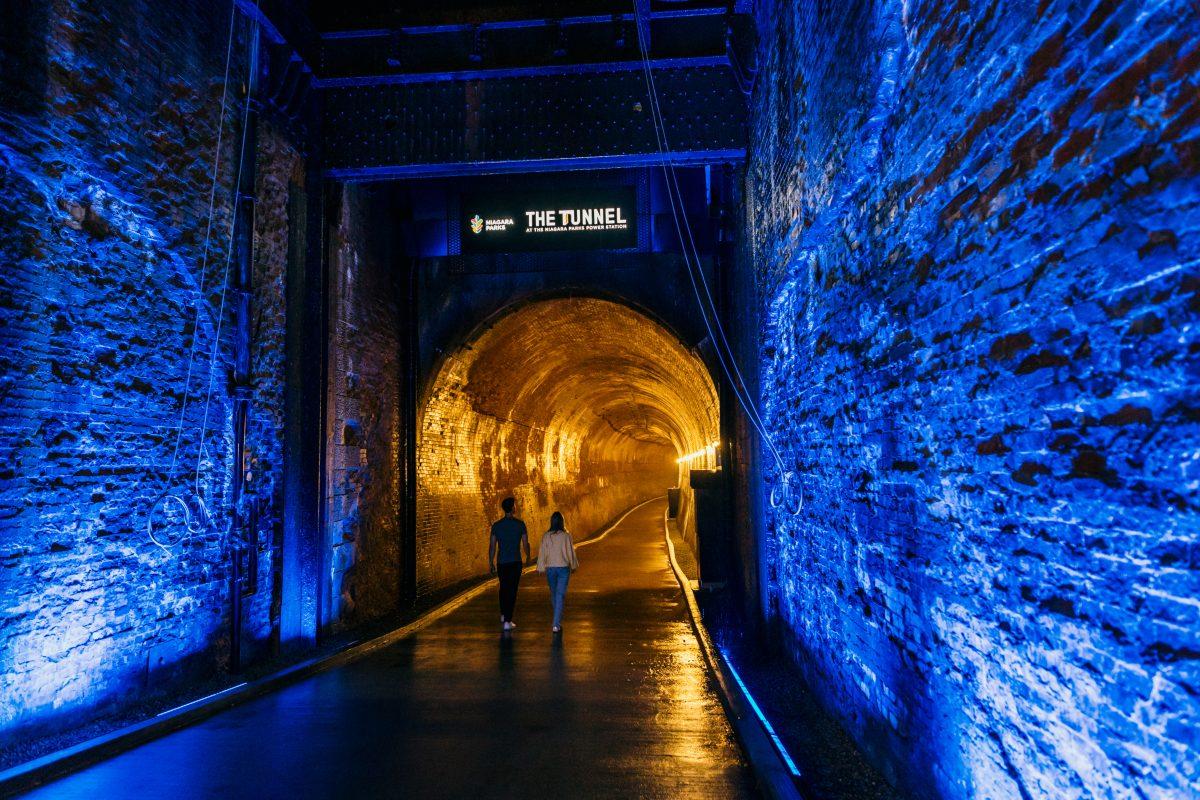
The Niagara Parks Power Station and The Tunnel reveal the engineering story behind Niagara Falls and demonstrate how the enormous power of the Niagara River was transformed into electricity.
The historic power station has been restored as an attraction, combining original industrial equipment with interactive exhibits and storytelling.
But the newest part of the experience is particularly interesting.
The Tunnel
Visitors descend approximately 180 feet below the main generating hall and enter a 2,200-foot-long underground tunnel.
The tunnel once carried spent water from the generating station back toward the Niagara River.
Today, visitors can walk through it and emerge at a viewing platform at the river's edge.
This creates a completely different perspective of Niagara Falls.
Instead of looking down from above, you experience the river from deep underground.
Why the Power Station belongs on a top-five list
The Niagara Parks Power Station adds context to the natural wonder.
The Falls are not only beautiful.
They have also played a major role in the development of hydroelectric power.
The power station helps visitors understand how engineers harnessed Niagara's water and transformed its energy into electricity.
The attraction is particularly valuable for families because children can learn about engineering and history without the experience feeling like a traditional museum.
The Tunnel's new viewing platform
One of the most significant recent developments is the new observation platform at the end of the tunnel.
Niagara Parks says the platform provides views of both the Horseshoe and American Falls from the lower Niagara River.
The tunnel is also fully accessible, with a smooth pathway and benches along the route.
How long should you spend here?
Niagara Parks recommends planning approximately two hours for the Power Station and Tunnel experience.
That makes it an excellent attraction for a half-day itinerary or for a second day when you want to explore something beyond the Falls themselves.
Niagara Falls at Night: Don't Leave Before Sunset
One of the biggest mistakes first-time visitors make is leaving Niagara Falls after seeing it during the day.
Niagara Falls changes dramatically after dark.
Every evening, the Falls are illuminated with changing colors.
The nightly illumination is operated by the Niagara Falls Illumination Board and has been part of the destination's nighttime identity for decades.
The exact illumination start time changes throughout the year.
For example, Niagara Parks currently lists the August 16–31, 2026 illumination period as beginning at 7:30 p.m. and continuing until 2 a.m.
2026 fireworks
During the 2026 season, Niagara Parks has scheduled nightly Falls fireworks from May 15 through October 12 at 10 p.m., weather permitting.
If you are visiting during this period, staying into the evening can dramatically increase the value of your trip.
A simple evening itinerary could be:
7:00 p.m. – Dinner near Fallsview or Table Rock
8:00 p.m. – Walk through Queen Victoria Park
8:30 p.m. – Watch the Falls illumination
10:00 p.m. – Watch the fireworks
After 10:00 p.m. – Return to your hotel or explore the entertainment district
How Many Days Do You Need in Niagara Falls?
One day
If you only have one day, prioritize:
-
Table Rock and Queen Victoria Park
-
Niagara City Cruises
-
Journey Behind the Falls
-
Evening illumination
This gives you several different perspectives of the Falls without spending the entire day traveling between attractions.
Two days
Two days are much better.
Day 1 – Canadian side
-
Table Rock Centre
-
Queen Victoria Park
-
Niagara City Cruises
-
Journey Behind the Falls
-
Falls illumination
-
Fireworks if operating
Day 2 – U.S. side and Niagara's history
-
Niagara Falls State Park
-
Cave of the Winds
-
Maid of the Mist
-
Niagara Parks Power Station
-
The Tunnel
This itinerary lets you experience both countries and several completely different sides of Niagara.
Best Time to Visit Niagara Falls
There is no single perfect season.
It depends on what you want.
Summer
Summer offers the widest selection of attractions and generally the most active tourism environment.
Boat cruises, outdoor attractions and fireworks make summer particularly appealing.
The downside is crowds.
Recent 2026 travel coverage has highlighted heavy summer crowds at popular attractions, particularly around major viewing areas.
If visiting in summer, start early.
Fall
Fall combines comfortable sightseeing conditions with beautiful foliage in the surrounding Niagara region.
It is particularly appealing for photographers and travelers who prefer a less intensely summer-focused atmosphere.
Winter
Winter creates an entirely different Niagara Falls experience.
Snow and ice can transform the landscape into something that looks almost unreal.
However, some outdoor attractions have seasonal restrictions, and weather conditions can affect accessibility.
Check official attraction schedules before traveling.
Spring
Spring brings higher water flows and the return of many seasonal attractions.
It can be an excellent compromise between winter's quieter atmosphere and summer's full operating schedule.
Niagara Falls Travel Tips for First-Time Visitors
1. Don't try to see everything
Niagara has enough attractions to fill several days.
Trying to visit every attraction in one day often means spending more time waiting and traveling than enjoying the destination.
Choose experiences based on your interests.
2. Start early
This is particularly important during summer.
Morning visits generally provide a more relaxed experience before the largest crowds arrive.
3. Check attraction hours before leaving
Niagara Parks emphasizes that individual attractions have different operating schedules and that hours can change.
Never rely on an old travel blog for exact opening hours.
Check the official attraction website close to your travel date.
4. Book timed attractions in advance
Niagara Parks uses timed ticketing at selected attractions to manage capacity.
This can make a significant difference during peak periods.
5. Bring waterproof protection
Niagara Falls is wet.
That sounds obvious, but visitors often underestimate how far mist can travel.
Keep your phone and camera protected.
6. Wear comfortable shoes
You will probably walk considerably more than expected.
Comfortable waterproof footwear is especially useful if you plan to visit boat tours, Cave of the Winds or Journey Behind the Falls.
7. Explore both sides if you have time
The Canadian and American sides offer different perspectives.
If you have two days or more, crossing the international border can make the trip considerably more rewarding.
Remember that border-crossing requirements depend on your nationality and immigration status, so verify current requirements before planning to cross.
Frequently Asked Questions About Visiting Niagara Falls
What is the number-one place to visit in Niagara Falls?
For first-time visitors, Table Rock Centre and Queen Victoria Park are the best starting points because they provide direct, free views of the Falls and connect with several major attractions.
Is Niagara Falls free to visit?
Viewing the Falls from public areas such as Table Rock and Queen Victoria Park is free. Individual attractions such as boat cruises, Journey Behind the Falls and Cave of the Winds require paid admission.
Is the Canadian or American side better?
Neither side is universally better.
The Canadian side is particularly strong for panoramic views of all three major waterfalls and attractions such as Journey Behind the Falls and Niagara City Cruises. The U.S. side offers Niagara Falls State Park, Cave of the Winds and Maid of the Mist.
For the best overall trip, experience both if your schedule and travel documents allow it.
How long should I stay in Niagara Falls?
One day is enough for the highlights.
Two days is much better if you want to experience both sides and several major attractions.
Three days or more gives you time to explore the wider Niagara region, including the Niagara Parkway, gardens, historic sites, wineries and smaller communities.
Can you see Niagara Falls at night?
Yes.
The Falls are illuminated every night, with illumination times changing throughout the year.
During the 2026 fireworks season, scheduled fireworks also provide an additional nighttime experience.
Is Niagara Falls worth visiting in 2026?
Absolutely.
In addition to the classic attractions, 2026 brings new developments and experiences, including continued improvements to Journey Behind the Falls and the expanded Niagara Parks Power Station Tunnel experience.
Niagara Falls State Park in New York is also introducing new visitor experiences during 2026, including the new “Above the Roar” virtual reality attraction.
Final Thoughts: The Best Places to Visit in Niagara Falls
Niagara Falls is much more than a waterfall.
It is an entire destination built around one of the world's most recognizable natural wonders.
For first-time visitors, Table Rock Centre and Queen Victoria Park provide the essential panoramic experience. Niagara City Cruises takes you directly into the mist. Journey Behind the Falls lets you experience the Falls from within the rock. Across the border, Niagara Falls State Park and Cave of the Winds provide another perspective and some of the closest public access to the water. Finally, Niagara Parks Power Station and The Tunnel reveal the engineering and industrial history that helped make Niagara one of the world's most important hydroelectric regions.
If you only have one day, concentrate on the Canadian side and stay until night.
If you have two days, explore both Canada and the United States.
And if you have more time, slow down.
Walk along the Niagara Parkway. Explore the parks and gardens. Learn about the area's history. Watch the Falls change from daylight to sunset and finally into their nighttime illumination.
The best Niagara Falls trip is not necessarily the one where you check the most attractions off a list. It is the one that gives you enough time to experience the scale, sound, movement and atmosphere of the Falls from several different perspectives.
For 2026 visitors, always confirm attraction schedules, ticket availability, weather conditions and construction updates immediately before your trip because operating hours and visitor conditions can change.
Top 5 Niagara Falls attractions at a glance:
| Place | Best For | Recommended Time |
|---|---|---|
| Table Rock & Queen Victoria Park | Best overall Falls views | 1–2 hours |
| Niagara City Cruises | Getting close to the Falls | ~1–2 hours including queues |
| Journey Behind the Falls | Behind-the-Falls experience | ~1 hour |
| Niagara Falls State Park & Cave of the Winds | U.S. side and adventure | 3–5 hours |
| Niagara Parks Power Station & The Tunnel | History and engineering | ~2 hours |
Whether you are visiting Niagara Falls for a romantic weekend, a family vacation, a photography trip or a once-in-a-lifetime bucket-list adventure, these five places provide an excellent foundation for discovering what makes Niagara Falls one of North America's most unforgettable destinations.
Planning your trip around Niagara Falls is much easier when you have reliable transportation between the airport, hotels, attractions, and surrounding areas. Whether you're arriving at Niagara Falls International Airport, traveling from Toronto Pearson International Airport, or heading to popular attractions such as Table Rock Centre and Niagara Falls State Park, a reliable Airport Taxi Niagara Falls can make your journey more convenient and stress-free. Booking a taxi in advance is especially helpful for families, groups, and travelers with luggage who want a comfortable and dependable way to explore Niagara Falls.
